August 22, 2026
A garage door is easy to overlook until it stops working properly. Because it opens and closes frequently, its springs, rollers, cables, hinges, tracks, panels, and opener can gradually experience wear. When a problem develops, a repair may seem like the obvious choice. In many cases, repairing an isolated problem is practical, especially when the door is relatively new and the rest of the system remains in good condition.
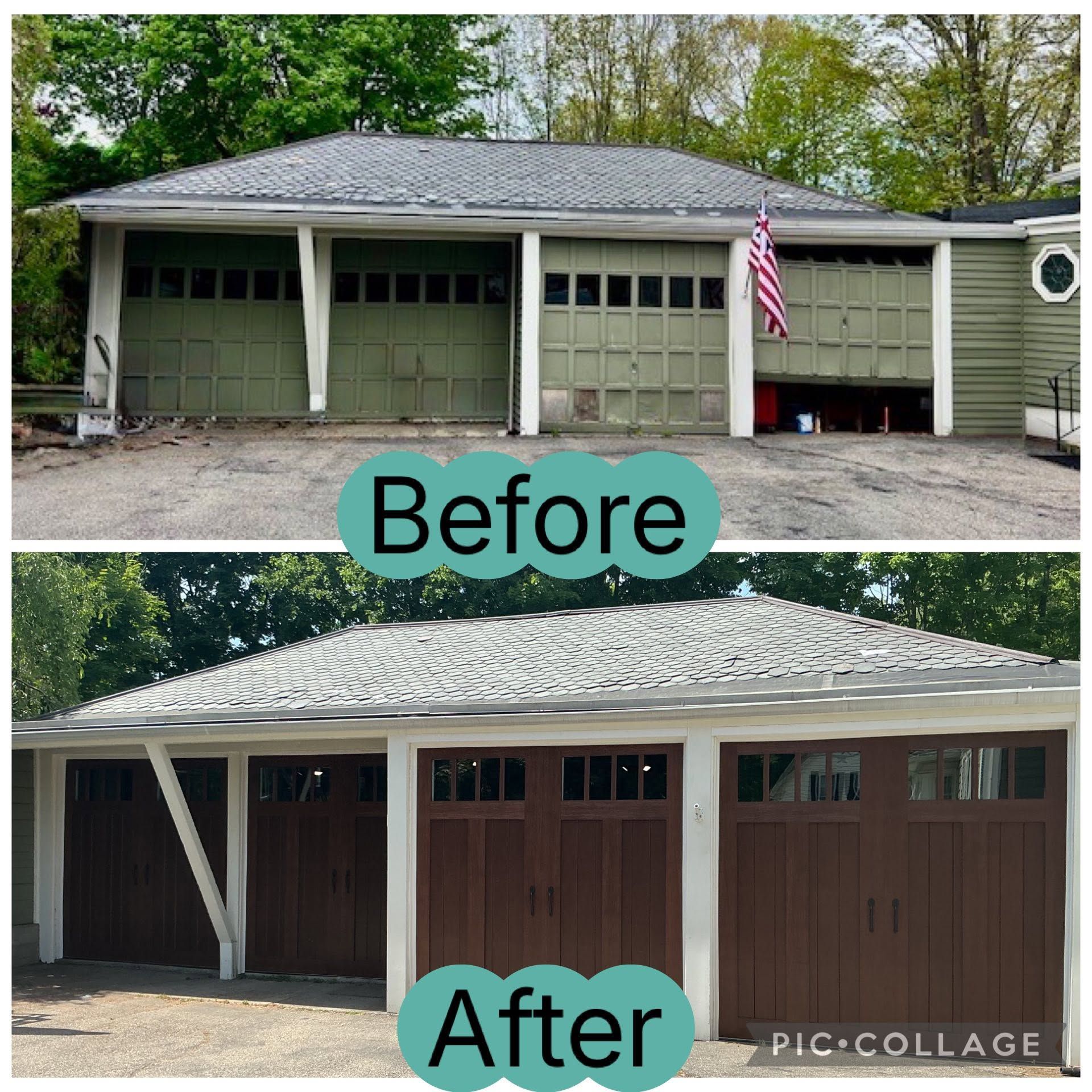
However, repeated repairs can become less appealing when an older garage door begins developing one problem after another. Fixing a broken spring today may be followed by replacing worn rollers or damaged panels months later. Over time, these expenses can add up while leaving homeowners with an aging system that still has more components approaching the end of their service lives.
According to HomeGuide, garage doors generally last 15 to 30 years, depending on the material, how often they are used, the climate, and maintenance quality. When a door is reaching the later part of that range and requires frequent repairs, it may be worth considering whether replacement provides greater value. Homeowners who replace garage doors can address several concerns at once while gaining a new system designed around their current needs.
Is It More Cost-Effective to Replace Garage Doors Than to Repair Them?
The lower upfront price of a repair can make it attractive, but the immediate cost does not always tell the whole story. A homeowner should consider the door's age, condition, repair history, and the likelihood that other components will require attention soon.
For example, replacing a broken spring can restore a door to working order without requiring an entirely new system. If the panels are structurally sound, the tracks are in good condition, and the opener works properly, that repair may be all that is needed. The situation is different when an older door has already required several repairs and additional components are showing signs of wear.
Repeated service calls can gradually turn an inexpensive repair into a significant ongoing expense. Homeowners may also have to deal with the inconvenience of a door failing unexpectedly, potentially preventing them from getting a vehicle out of the garage or leaving the garage unsecured.
When homeowners replace garage doors, they can essentially reset the system with new panels and hardware rather than continuing to address individual failures. Replacement may be particularly worthwhile when repair costs are becoming a substantial portion of what a new door would cost.
That does not mean every older garage door should immediately be replaced. A professional evaluation can help determine whether a repair will reasonably extend the door's useful life or whether continued repairs are likely to be temporary solutions.
What Are the Aesthetic and Functional Benefits of New Garage Doors?
Garage doors can have a substantial effect on curb appeal. Because they often occupy a large portion of a home's exterior, a faded, dented, rusted, or outdated door can stand out even when the rest of the property is well maintained.
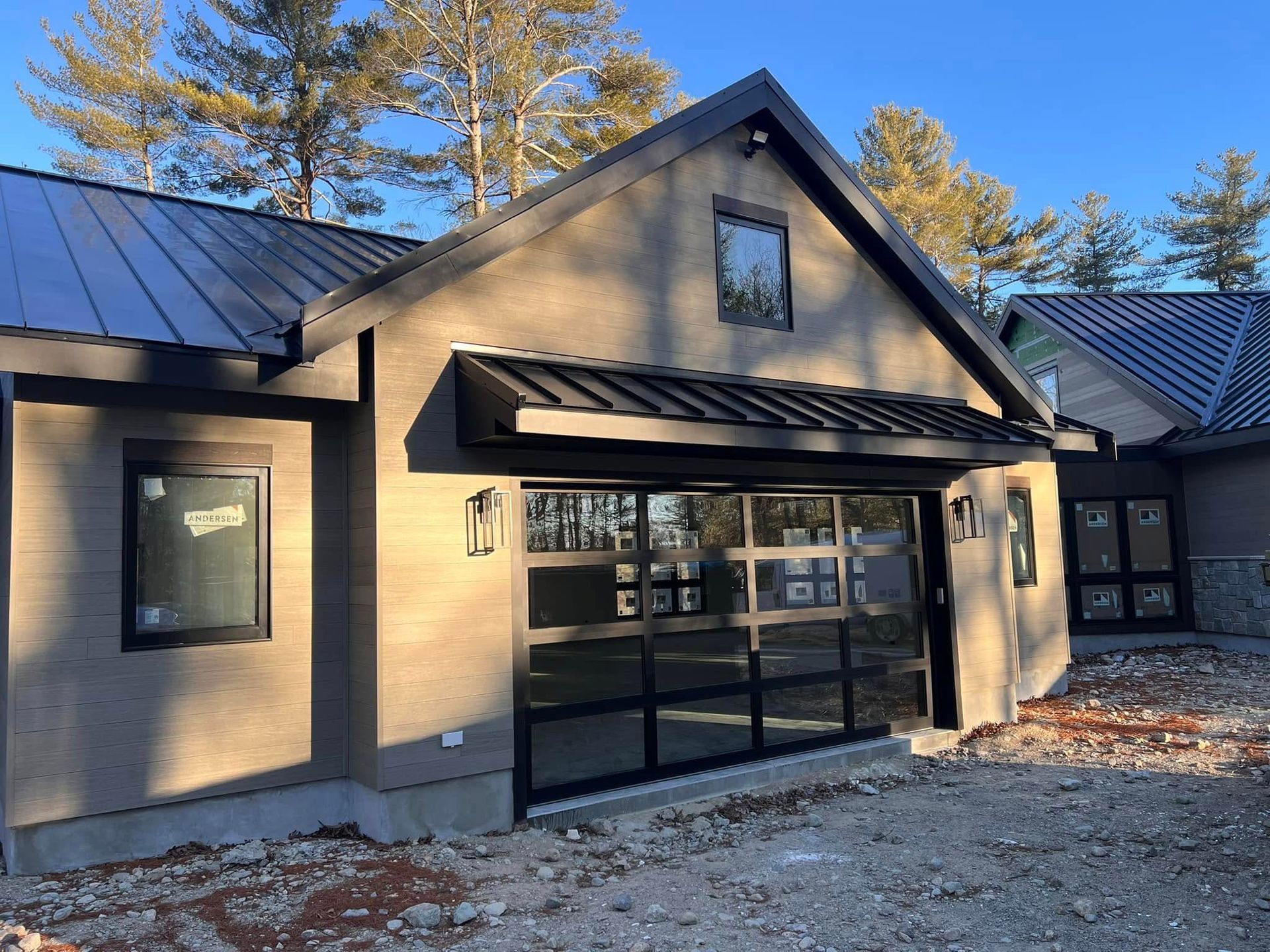
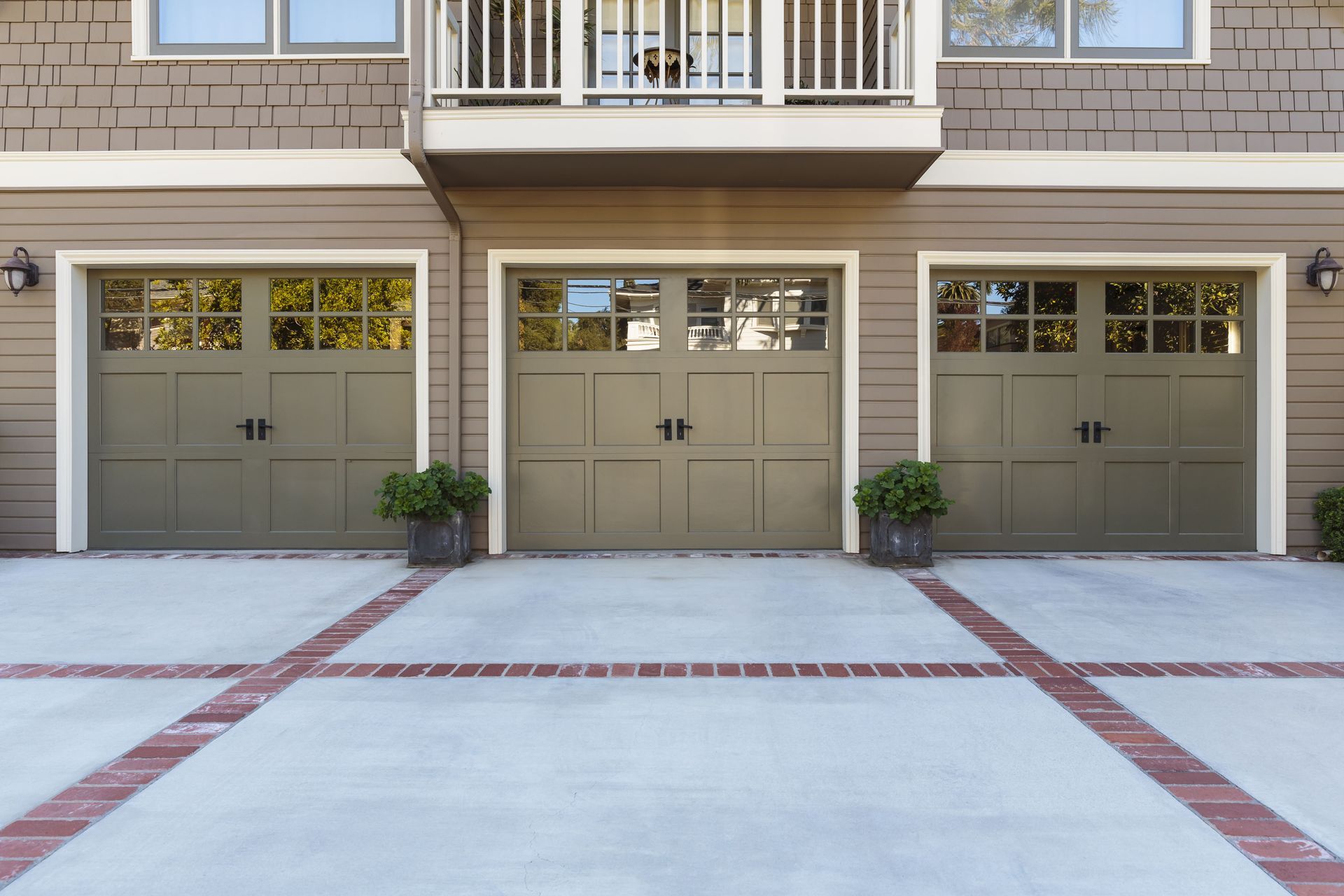
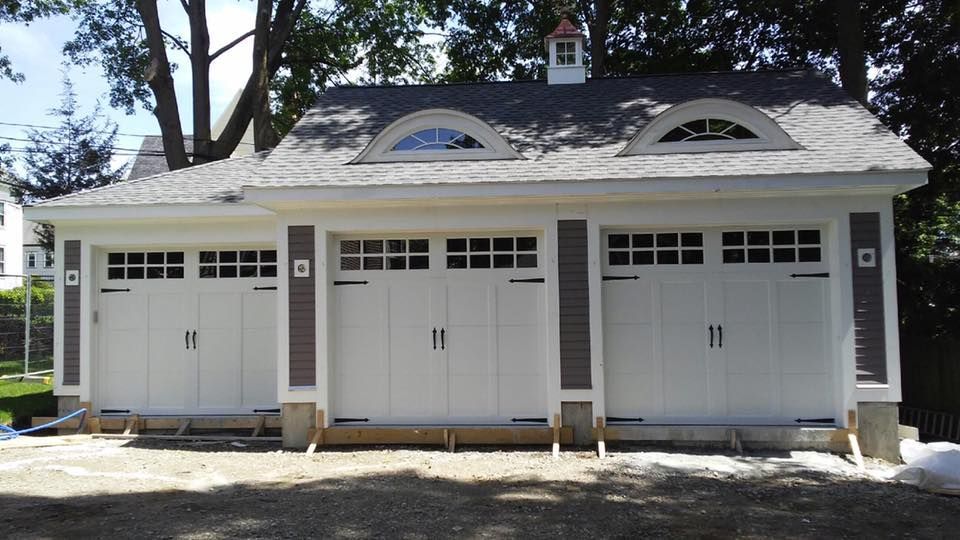
When homeowners replace garage doors, they can select a design that better complements the architecture and exterior finishes of the house. Available options can include different panel patterns, colors, window configurations, materials, and decorative hardware. A replacement does not have to reproduce the appearance of the old door.
There are functional improvements to consider as well. A new door can operate more smoothly when its components are properly matched and installed. Homeowners may also notice less vibration and noise, particularly when a replacement is paired with modern rollers and a quieter opener.
A replacement can also be selected according to how the garage is actually used. A homeowner who primarily stores vehicles may prioritize durability and security, while someone who uses the garage as a workshop may place greater emphasis on insulation and comfortable temperatures. Others may want windows to introduce natural light or a particular style to improve the home's exterior.
How Does Garage Door Replacement Impact Energy Efficiency?
Energy efficiency may not be the first concern that comes to mind when considering a garage door, but the door can influence the temperature inside the garage. This is especially relevant when the garage is attached to the house or shares walls with heated or cooled living spaces.
Older doors may have minimal insulation and worn weatherstripping around the perimeter. Gaps can allow outside air, dust, moisture, and debris to enter. During very hot or cold weather, an uninsulated garage can experience significant temperature changes.
When homeowners replace garage doors, they can select insulated models designed to reduce heat transfer. HomeGuide notes that insulated garage doors can provide energy-efficiency benefits, particularly in climates with more extreme temperatures. Insulation can also make the garage more comfortable for homeowners who spend time there working on projects or using the space for hobbies.
New weather seals can provide another improvement. A properly fitted seal along the bottom and sides of the door can reduce drafts and help limit air movement around the edges. While a garage door replacement will not solve every energy-efficiency issue in a home, it can address one area where an older system may be underperforming.
What Are the Long-Term Maintenance Advantages of Replacing Garage Doors?
Every garage door requires maintenance, regardless of age. Springs, rollers, hinges, cables, and other moving parts experience wear and should be inspected periodically. However, an older door can require considerably more attention as multiple components approach the end of their service lives.
When homeowners replace garage doors, they start with new components rather than inheriting years of accumulated wear. That does not eliminate maintenance, but it can reduce the likelihood of several unrelated failures occurring within a short period.
New materials can also offer maintenance advantages. For example, homeowners may choose a steel or composite door when they want a durable option that does not require the same routine refinishing associated with some wood doors. The right material depends on the home's climate, appearance, budget, and maintenance expectations.
Replacement can also make future maintenance more predictable. Instead of responding to unexpected failures, homeowners can follow a routine schedule for inspections, lubrication, safety testing, and weather seal replacement.
When Should You Consider Garage Door Replacement?
Several signs can indicate that repair is no longer the best long-term option. Frequent breakdowns are an obvious warning sign, particularly when different components begin failing one after another. If the door has required multiple service calls within a relatively short period, it may be time to consider the condition of the entire system.
Visible structural damage is another concern. Extensive rust, rotting wood, cracks, warping, or severely damaged panels may make continued repairs less practical. Cosmetic damage alone does not necessarily justify replacement, but deterioration that affects structural integrity or operation deserves closer attention.
Age should also be part of the decision. A garage door that is approaching the end of its expected lifespan may still function, but homeowners should consider whether spending money on major repairs makes sense when other components could soon require replacement as well.
Unusual noises, shaking, uneven movement, difficulty opening or closing, and repeated opener problems can also warrant an inspection. Some of these issues can be repaired, while others may point to broader wear throughout the system.
Repairing a garage door can be the right choice when the system is relatively new and the problem is limited to a replaceable component. However, repeated repairs can become less economical when an aging door develops multiple problems or requires increasingly frequent service.
When homeowners
replace garage doors, they have the opportunity to improve safety, security, appearance, operation, energy efficiency, and long-term reliability at the same time. They can also select materials, insulation levels, designs, and technology that better match how they currently use their home.
Rather than viewing replacement as simply another expense, homeowners can consider it as an investment in the garage's future performance. When the cost and inconvenience of repeated repairs begin to outweigh the benefits of keeping an aging door, replacing it can provide a more dependable solution for years to come. If you need a garage door, contact Kelleher Doors Inc today!