October 29, 2026
Choosing the right garage door opener can improve everyday convenience, support home security, and make entering or leaving the garage easier. With several operating systems, power levels, and smart features available, homeowners should consider how each option fits their property and daily routine. The best choice depends on the garage door's size, weight, usage frequency, and the amount of noise acceptable near living spaces. Homeowners should also evaluate safety features, maintenance requirements, and compatibility with existing equipment. Comparing these factors before purchasing can help prevent unnecessary expenses and installation complications. A carefully selected system can provide dependable operation while meeting a household's practical needs.
Evaluating Your Garage Door Requirements
Before purchasing a garage door opener, examine the door it will operate and how frequently it is used. A single-car garage may have different requirements from a larger garage with two heavy doors. The door's material, dimensions, and weight can influence the type of opener and motor capacity needed. Homeowners should also consider whether the garage contains an insulated door, decorative hardware, or other features that affect its overall weight. An appropriately sized garage door opener should be capable of lifting the door without placing excessive strain on its components. Selecting a unit with insufficient power can contribute to inconsistent performance and premature wear. However, choosing a system that exceeds the property's requirements may increase costs without providing meaningful benefits. Reviewing the door's specifications and consulting an installation professional can help determine which options are suitable.
Comparing Different Drive Systems
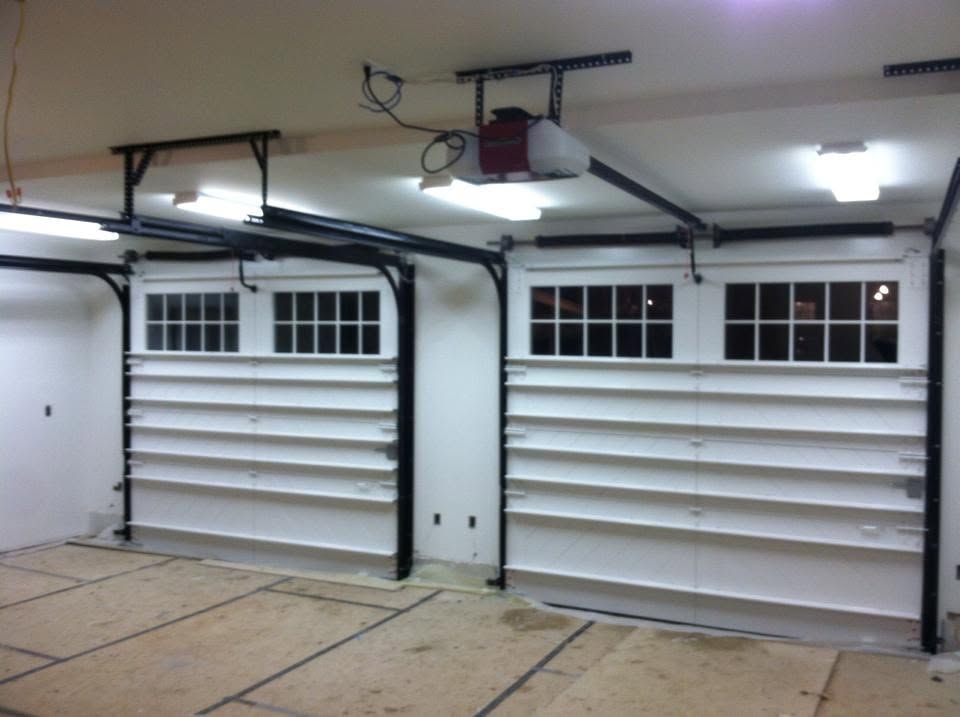
Garage door openers use different drive mechanisms, and each design offers distinct advantages. Chain-drive systems operate with a metal chain that moves the door along its track. They are often considered practical options for homeowners who prioritize durability and affordability. Belt-drive systems use a reinforced belt instead, typically producing less noise during operation. Screw-drive systems move the door using a threaded steel rod, although performance and maintenance needs vary by model. When selecting a garage door opener, consider whether the garage is attached to the home or located beneath a bedroom. Quieter operation may be especially valuable when household members are sensitive to mechanical sounds. Comparing drive types, manufacturer specifications, and warranty terms can help homeowners find a system that balances cost, noise, and performance.
Selecting the Appropriate Motor Power
Motor power is another important consideration when comparing garage door opener models. The motor must provide enough lifting force to operate the door reliably under normal conditions. Lightweight residential doors may work well with lower-powered models, while heavier wood or insulated doors may require more capacity. The correct choice depends on the manufacturer's recommendations, the door's weight, and its operating mechanism. Homeowners should avoid assuming that the most powerful unit is automatically the best option for every garage. A properly balanced door should move smoothly, allowing the opener to perform its job without unnecessary resistance. If a door feels unusually heavy or struggles to move manually, a professional should inspect its springs and other hardware before a new opener is installed. Matching motor capacity to the door's requirements can support reliable operation and help limit avoidable mechanical strain.
Considering Noise Levels and Daily Convenience
Noise can make a noticeable difference in homes where the garage shares walls with bedrooms, offices, or common living areas. Belt-drive models are often worth considering when quieter operation is a priority. Chain-drive units may produce more vibration or mechanical sound, although installation quality and maintenance can influence the overall noise level. A garage door opener should also fit the household's daily routine, including early departures, late arrivals, and frequent vehicle access. Homeowners may benefit from features such as soft-start and soft-stop operation, which allow the door to begin and finish moving more gradually. These features can contribute to smoother operation, depending on the model. According to Forbes, garage door openers may last as long as 15 years, meaning replacement is not necessarily needed frequently when equipment remains in good working condition. Regular inspection and appropriate maintenance can help homeowners assess whether an existing unit still meets their needs.
Reviewing Safety and Security Features
Safety should remain a priority when choosing equipment that moves a heavy garage door. Modern residential openers commonly include photoelectric sensors that detect obstructions near the door's path. These sensors help prevent the door from closing when an object, person, or pet interrupts the beam. Many systems also include automatic reversal functions that respond when the closing door encounters resistance. Homeowners should confirm that these safety features are compatible with the door and installed according to the manufacturer's instructions. A garage door opener may also offer rolling-code technology, which changes the access code used by the remote to help reduce the risk of code interception. Wall controls, emergency release mechanisms, and secure remote storage deserve attention as well. Reviewing the available protections and testing them regularly can help households use their garage doors more safely.
Exploring Smart Controls and Connectivity
Smart technology can make garage access easier for homeowners who want to manage their doors remotely. Some models connect to smartphone applications, allowing users to check door status and open or close the door when permitted. A compatible garage door opener may also provide notifications when the door remains open or changes position. These functions can be useful when homeowners leave in a hurry or want to confirm that the garage is secured. Before choosing a connected model, check whether it requires a separate hub, subscription, or compatible home Wi-Fi network. Integration with existing smart-home systems may also vary between manufacturers. Homeowners should review account security, available access controls, and the process for sharing permissions with family members. Selecting features that solve practical needs can provide convenience without paying extra for technology that will rarely be used.
Checking Installation and Maintenance Needs
Proper installation helps ensure that a garage door opener operates as intended and works safely with the door's hardware. The process may involve mounting the motor, connecting the rail, setting travel limits, and testing the safety sensors. Compatibility with the existing door, ceiling height, electrical outlet, and available mounting space should be confirmed before installation begins. Homeowners should also review the manufacturer's maintenance recommendations and warranty conditions. Periodic checks can help identify loose mounting hardware, unusual sounds, damaged wiring, or problems with the door's movement. Lubrication should be applied only to components and in ways recommended by the manufacturer. If the door becomes unbalanced or the opener repeatedly struggles, professional inspection may be necessary rather than continued use. Planning for installation and upkeep helps homeowners evaluate the full cost of ownership beyond the purchase price.
Comparing Costs and Long-Term Value
Price is important, but homeowners should evaluate more than the initial cost when comparing available systems. A basic model may provide reliable operation without advanced connectivity, while a premium unit may offer quieter performance and additional controls. A garage door opener should meet the household's actual needs without introducing unnecessary features or expenses. Compare warranty coverage, replacement-part availability, expected maintenance, and the manufacturer's support options before making a decision. Installation costs may differ depending on the existing equipment, mounting requirements, and whether old components need removal. Homeowners should also consider whether accessories such as keypads, backup batteries, or smart controls are included or sold separately. Reading product specifications carefully can help prevent surprises after purchase. A balanced comparison of performance, safety, convenience, and cost makes it easier to select equipment suited to the home.
The right garage door opener should match the door's size and weight while providing the safety, noise level, and convenience a household expects. Comparing drive systems, motor power, smart features, installation requirements, and long-term costs helps homeowners make an informed decision. Routine maintenance and timely inspections can also support dependable operation over the years. If an existing opener has become unreliable, a professional assessment can help determine whether repair or replacement is the more practical option. Contact Kelleher Doors Inc to discuss your garage door needs and explore suitable opener options for your home.